Each year, as February approaches, many cat lovers begin to hear the same familiar phrase:
“February is cat month.”
Some say it is the time when all cats suddenly go into heat. Others feel that February has always belonged to cats because of their dramatic nighttime serenades and visible romantic pursuits. For many people, this belief has been passed down for generations.
But is February truly the month of cats?
Do cats naturally go into heat during this time, or is this simply a charming myth rooted in observation and tradition?
The answer lies somewhere between folklore and feline biology.
Where Did the Idea of “Cat Month” Come From?
The belief that February is associated with cats has both cultural and natural origins.
In many parts of the world, particularly in rural areas and older towns, late winter was traditionally the time when people first began noticing increased cat activity. During the quiet winter months, outdoor cats were less visible and generally less vocal. However, as February arrived and temperatures slowly began to rise, cats seemed to reappear almost overnight.
Residents would suddenly hear:
- loud vocalizations during the night
- territorial disputes between male cats
- persistent mating calls echoing through streets and courtyards
This noticeable change created the impression that February marked the beginning of feline romance. Over time, the association became so strong that many communities informally referred to February as “the month of cats.”
There is also a symbolic element. February has long been associated with themes of love and courtship in human culture. Cats, known for their expressive and sometimes dramatic mating behavior, naturally became linked to this atmosphere of romance. The connection was poetic, memorable, and easy to pass along from one generation to the next.
Yet behind this charming folklore lies a clear biological explanation.
The Science Behind the Season
While the idea of February as “cat month” has a charming cultural side, science offers a clear and fascinating explanation for why feline behavior seems to change as winter begins to fade.
In veterinary science, domestic cats are described as seasonally polyestrous animals, meaning they can experience multiple heat cycles during certain times of the year rather than continuously. Their reproductive rhythm is closely connected to daylight, naturally becoming more active as days grow longer. Instead of following a calendar month, their bodies respond to the changing light of the seasons.
As the darker days of winter pass and daylight slowly begins to increase, subtle hormonal changes take place within a cat’s body. Light received through the eyes sends signals to the brain, which in turn influences the production of key reproductive hormones. As the days grow longer and brighter, the reproductive system gradually becomes active again, and many female cats begin to show the first signs of their heat cycles. This process is not sudden, nor does it happen on the same day for every cat. It unfolds gently as the season shifts.
Scientists have long understood that this timing is not accidental. In nature, the arrival of spring offers milder temperatures, more stable conditions, and greater availability of food. Kittens born during this period have a better chance of thriving, and the species has adapted over generations to align reproduction with these favorable conditions.
Modern lifestyles can sometimes blur these natural rhythms. Cats that live entirely indoors and are exposed to artificial lighting may not follow seasonal patterns as strictly as those living in natural daylight. Even so, the biological connection to light remains deeply rooted. Whether indoors or outdoors, cats still carry the ancient instinct to respond to the changing length of days.
What many cat lovers notice as increased vocalization, restlessness, or romantic feline drama toward the end of winter is therefore far from random. It is the visible expression of a natural biological rhythm — one guided by light, season, and the quiet wisdom of nature itself.

Why February Feels Like the Peak
Even though feline breeding is not limited to one month, February can feel particularly intense for several reasons.
During late winter:
- many female cats enter their first heat cycle of the year around the same time
- male cats become more active as they detect females in heat
- vocalizations and territorial behaviors increase
- previously quiet neighborhoods suddenly fill with nighttime “concerts”
This synchronized surge in activity creates a strong impression that something special is happening specifically in February. For those who live in areas with outdoor cat populations, the change can seem sudden and dramatic.
Because humans tend to remember noticeable patterns, the connection between February and feline romance has remained firmly embedded in popular belief.
Myth, Truth, or Both?
When we examine the idea that February is “cat month,” the most accurate answer is:
it is both myth and truth.
It is true that February often coincides with the beginning of the natural breeding season for many cats as daylight increases and spring approaches. Increasing light and the shift toward warmer seasons stimulate hormonal changes that lead to heat cycles and mating behavior.
At the same time, it is a myth that February is the only time when cats go into heat. The breeding season can last for many months, and indoor cats may cycle regardless of season.
Rather than being the exclusive month of cats, February is better understood as the opening chapter of the feline reproductive season — the moment when previously hidden biological rhythms become visible and audible to the human world.
The Beginning of Kitten Season
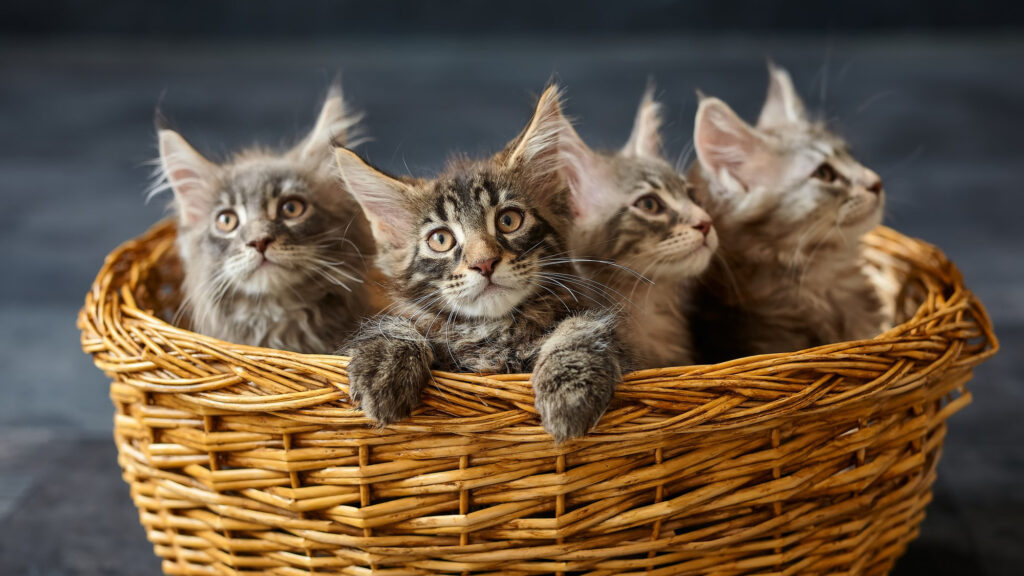
When the first mating cycles begin toward the end of winter, they quietly signal the arrival of what many cat lovers know as kitten season.
With a feline pregnancy lasting around 63 to 65 days, kittens conceived during this period are usually born in spring, when nature offers milder temperatures and longer days. These gentler conditions make it easier for mother cats to care for their newborns and for kittens to grow stronger with each passing week. Warmer weather, longer daylight, and a more stable environment support those delicate first stages of life — a quiet example of nature’s thoughtful timing.
For cats living outdoors, spring also brings a gradual increase in available food and safer conditions for raising young. As nature awakens, so do natural resources, making it easier for mother cats to find nourishment and maintain their strength while caring for their litters. This seasonal harmony between reproduction and environment reflects a natural balance that has existed for generations.
As the season progresses, the presence of tiny paws and soft meows becomes more common in homes and communities alike. It is a time that brings a sense of renewal and tenderness, reminding us how closely cats remain connected to the rhythms of nature.
For those who share their lives with cats, this period offers a beautiful opportunity to better understand feline behavior, pregnancy, and early kitten development. Providing a calm environment, proper nutrition, and attentive care helps ensure that every kitten has the healthiest possible beginning.
Above all, kitten season reflects the quiet wisdom of nature. As winter fades and spring unfolds, the arrival of new life feels perfectly timed — a gentle reminder that for cats, as for many living beings, the changing seasons guide the cycle of life in the most natural way.
A Month That Belongs to Cats — In Spirit
Whether rooted in science or tradition, February has undeniably become associated with cats. The combination of longer days, shifting seasons, and visible feline behavior has shaped a narrative that continues to capture the imagination of cat lovers around the world.
Perhaps February does not officially belong to cats in a biological sense. Yet anyone who has heard the unmistakable nighttime calls of courting felines or witnessed the sudden surge of energy among neighborhood cats knows that something changes during this time.
February marks the moment when winter begins to loosen its grip, when daylight slowly returns, and when the hidden rhythms of the feline world come alive once again.
Myth or not, one thing is certain:
as the days grow longer and the nights grow louder, February reminds us that cats live closely attuned to nature — and sometimes, they invite us to notice it too.

Author: Ana Vlahovic
Cat Breeder, Cat Nutritionist, TICA longtime member
Don’t forget to follow us!