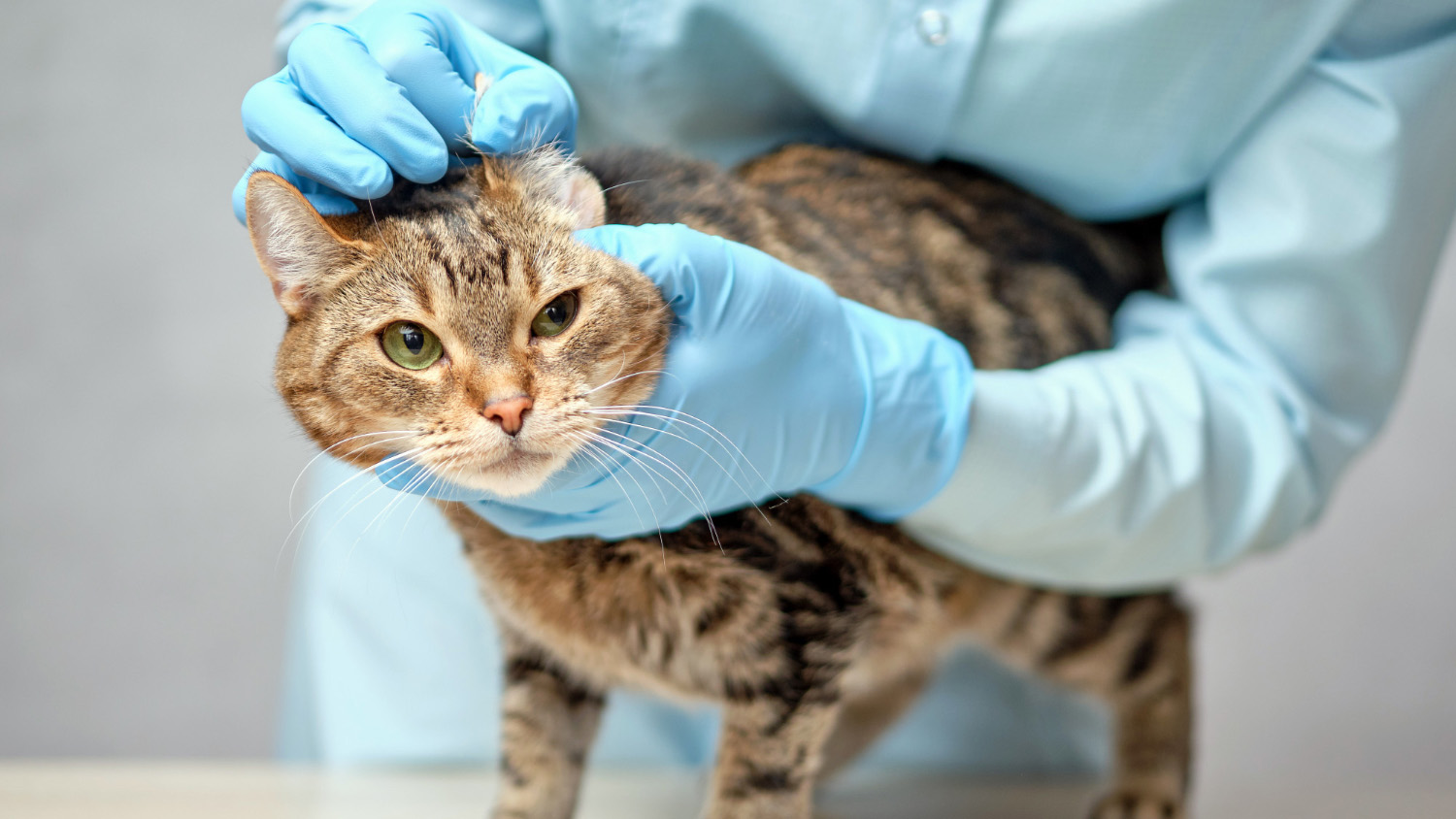
Nobody enjoys thinking about worms or fleas, but parasites are one of those topics where a little knowledge goes a long way. Whether you share your home with one cat or look after a whole cattery, understanding who these uninvited guests are and how they behave makes them much easier to keep under control.
Are parasites active in autumn?
Short answer: yes, and in some cases, autumn is exactly when they cause the most trouble.
Fleas are a good example. Many people think of fleas as a summer problem, but flea numbers often peak in early autumn. Warm, humid weather lingers, and then we switch on the heating and close the windows, which creates a pleasant, stable indoor climate where fleas can keep reproducing all winter. A flea egg that landed on your carpet in September can happily turn into an adult flea in December.
Ticks are also still around. In many parts of the world, ticks have two busy seasons, one in spring and a second in autumn, and they only slow down once the weather gets properly cold. A mild autumn means a longer tick season.
Internal parasites don’t really take a seasonal break at all. Worms and the tiny single-celled parasites that cause diarrhea are passed along all year round. Autumn can even make things a little worse, because cats that spent the summer outdoors hunting mice, birds and insects have had plenty of chances to pick something up, and the signs often show up a few weeks later.
Simply put, there is no “safe” season.
The most common parasites
Outside the body (ectoparasites)
Fleas are the number one troublemaker. An adult flea on your cat is only the tip of the iceberg: for every flea you see, there are many more eggs, larvae and cocoons hiding in bedding, carpets and cracks in the floor. Fleas cause itching, but they can also trigger a painful skin allergy in some cats and lead to anemia in small kittens.
Ticks attach to the skin and feed on blood. Besides being unpleasant, they can pass on diseases. They are most often found around the head, ears and neck, and between the toes.
Ear mites are tiny creatures that live in the ear canal. The classic sign is lots of dark, crumbly wax that looks like coffee grounds, along with head shaking and scratching at the ears. They spread easily between cats and are especially common in kittens.
Inside the body (endoparasites)
Roundworms are the most common worm in cats. Kittens often get them through their mother’s milk, and adult cats can pick them up from the environment or from prey. They look like pieces of pale spaghetti and can grow up to about 10 centimeters (4 inches) long. Signs include a pot-bellied look, a dull coat, poor growth and sometimes vomiting. Owners sometimes spot the worms in the cat’s vomit or feces.
Tapeworms live in a cat’s small intestine, and only there. They hold on tightly to its lining with specially adapted heads, which have hooks and suckers. The small intestine is where digestion happens and where the nutrients from food are most plentiful, so it is the perfect place for them to settle. Tapeworms have no digestive system of their own, so they absorb nutrients straight through their body surface, taking food meant for the cat. In heavy infections, a cat may lose weight or have a dull coat, even with a good or increased appetite. Tapeworms are usually noticed as little pieces that look like grains of rice, near the cat’s bottom or in the bedding. Cats usually get them by swallowing an infected flea (for instance while grooming) or by eating prey such as mice.
Hookworms are much smaller worms that attach to the gut wall and feed on blood. They can cause anemia and weight loss, particularly in young or weak cats.
Giardia is a microscopic parasite and a frequent cause of soft, smelly, stubborn diarrhea. It spreads through contaminated surfaces and water, which makes it a real challenge in multi-cat homes.
Toxoplasma deserves a mention because people worry about it. Cats get it mostly by eating raw meat or infected prey, and most healthy cats show no signs at all. For people, the risk is mainly for pregnant women, and good hygiene (cleaning the litter tray daily and washing hands) keeps it very low.
Lungworms live in the lungs, not the gut, and are mostly a concern for cats who hunt. They can cause coughing, though many cats show nothing.
How to protect your cat
The good news is that protection is straightforward, and most of it is routine.
Talk to your vet and build a plan. There are spot-on drops, tablets and collars, and the right choice depends on your cat’s age, weight, lifestyle and where you live. A cat that goes outdoors and hunts needs a different plan from a strictly indoor cat, but even indoor cats need protection, because we can carry fleas and eggs in on our shoes and clothes.
Never use a dog product on a cat. This one is really important. Some dog flea treatments contain a substance called permethrin, which is highly toxic to cats and can be fatal. Always use products made for cats, and always check the weight and age on the label.
Treat regularly, not just when you spot something. By the time you see fleas, there are already hundreds of eggs in your home. Preventive treatment on a schedule works far better than fighting an infestation.
Deworm on a schedule. Kittens are usually dewormed several times in their first weeks and months, and adult cats are generally dewormed a few times a year, more often if they go outdoors. Your vet can tell you the right rhythm and product.
Keep things clean. Wash bedding at a high temperature, vacuum often (and throw out the bag or empty the container afterward), and scoop the litter box every day.
Be careful with raw food and hunting. Raw meat and wild prey are common ways to pick up worms and Toxoplasma. If your cat hunts, a more frequent deworming plan is a good idea.
Don’t forget the other pets. If you have a dog or another cat, they need protection too. Otherwise, they simply pass the parasites around.
See your vet if something looks off. Persistent diarrhea, weight loss, a bloated belly, constant scratching, pale gums or a dull coat are all good reasons to book a visit. Many internal parasites can only be found with a stool test, since they are far too small to see.
Conclusion
Parasites are a normal part of life with cats, and finding one says nothing about how much a cat is loved or how well it is cared for. What matters is what we do before they turn up. Regular prevention keeps our cats comfortable and healthy, and it quietly protects us as well: some of these parasites, such as roundworms, fleas and ticks, can also affect people, children most of all. A cat who is well protected is a cat who isn’t passing anything on, so the care we give them comes back to every member of the household and, in a cattery, to everyone who walks through the door.
And don’t forget that cats who live indoors are not automatically safe. They are less exposed to parasites, but that does not mean they never get them.
After all, the difference between prevention and treatment is simple: prevention is something we plan, whereas treatment simply happens.

Author: Ana Vlahovic
Cat Breeder, Cat Nutritionist, TICA longtime member
Don’t forget to follow us!