I cannot recall how many times I have been asked “Why do you breed cats?” nor how many times I have emphatically been told “You must make a lot of money.”
I also cannot comprehend where this thought originated, so perhaps a little information will help dispel this perception.
What Responsible Breeders Have in Common
Responsible cat breeding by reputable breeders has a few things in common:
- Prioritizing long-term health and well-being.
- Having specific knowledge about the breed one works with.
- Providing accommodations that are safe and sanitary, which often includes home remodeling.
- Socialization and bonding, rather than overproducing kittens to sell.
What Responsible Breeding Looks Like in Practice
When researching and communicating with any responsible breeder, the process typically includes several practices:
- Health testing: Screening breeding cats for inherited diseases common to their breed. These tests include heart disease, kidney disease, eye disorders, and DNA tests for known genetic conditions where available.
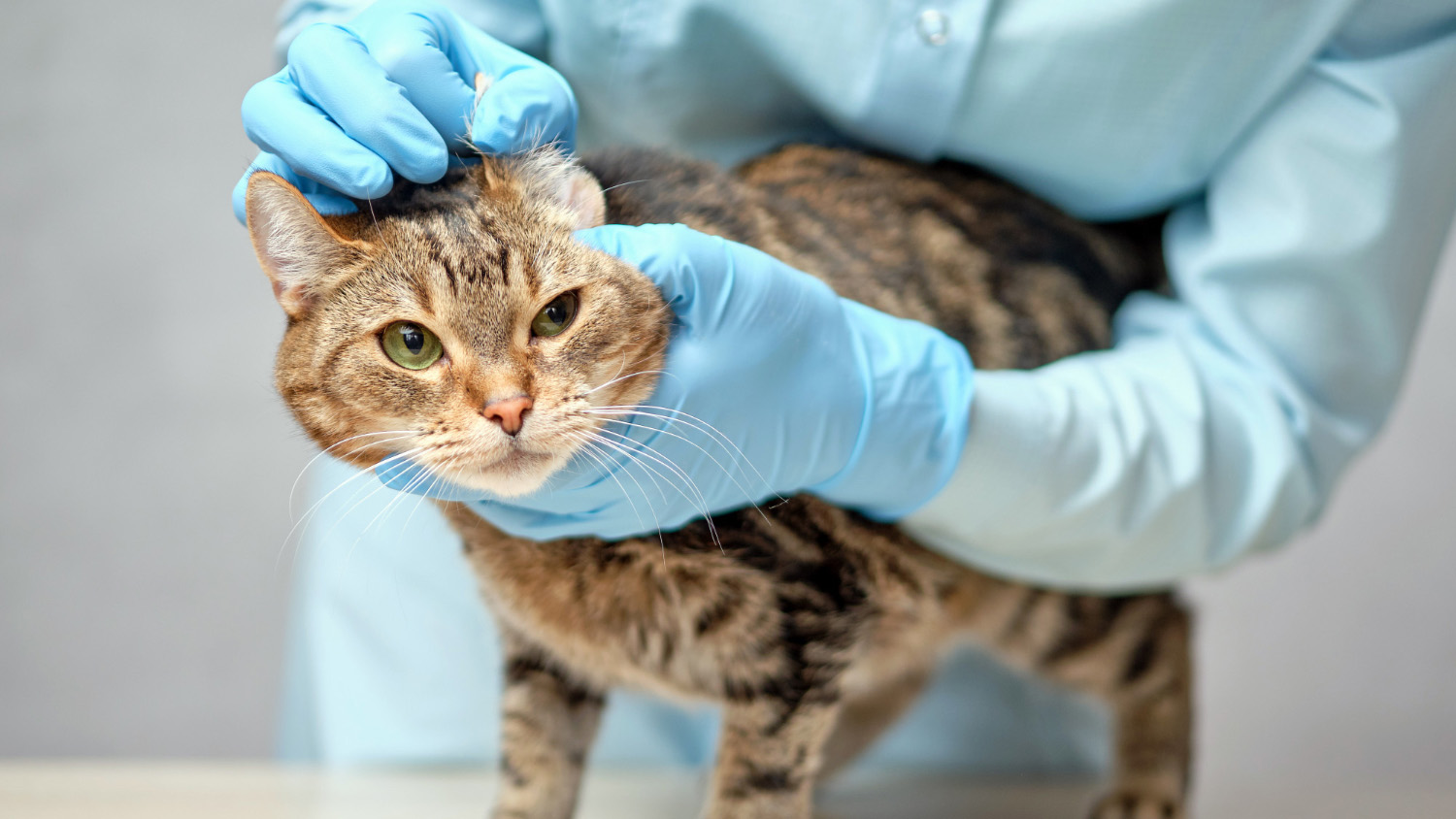
- Veterinary care: Keeping breeding cats up to date on appropriate vaccinations, parasite prevention, dental care, and routine health exams, including emergency care for breeding cats and kittens.
- Thoughtful mate selection: Choosing breeding pairs to reduce the risk of inherited disease, avoid inbreeding, and promote healthy temperaments. Responsible breeders study pedigrees and genetic diversity rather than simply pairing attractive cats.
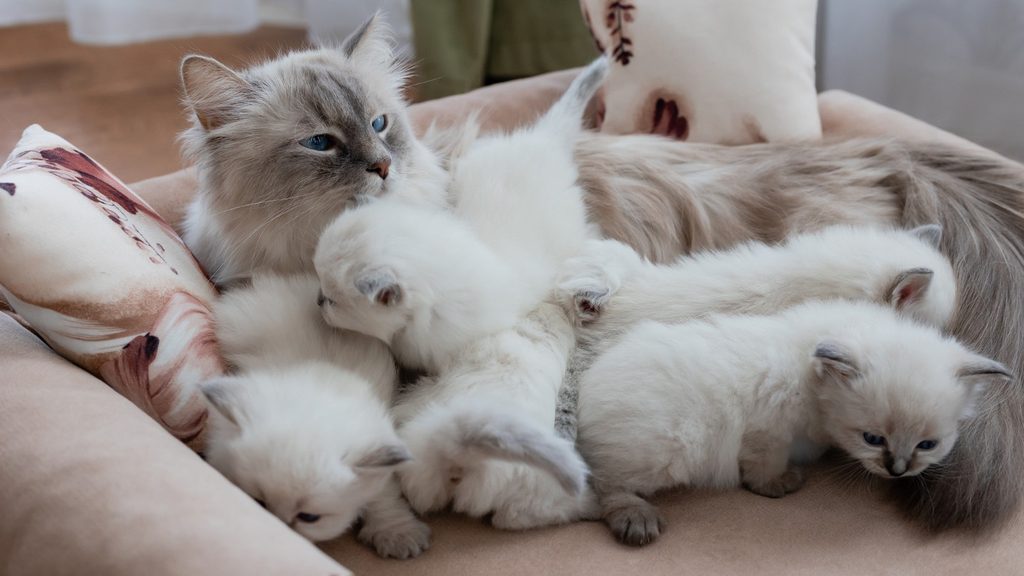
- Appropriate breeding frequency: Allowing queens (female cats) adequate recovery time between litters, and retiring them from breeding before repeated pregnancies affect their health.
- Good living conditions: Providing clean, enriched environments with opportunities for exercise, play, hiding, scratching, and social interaction. No cat should spend its life confined to a small cage away from its humans.
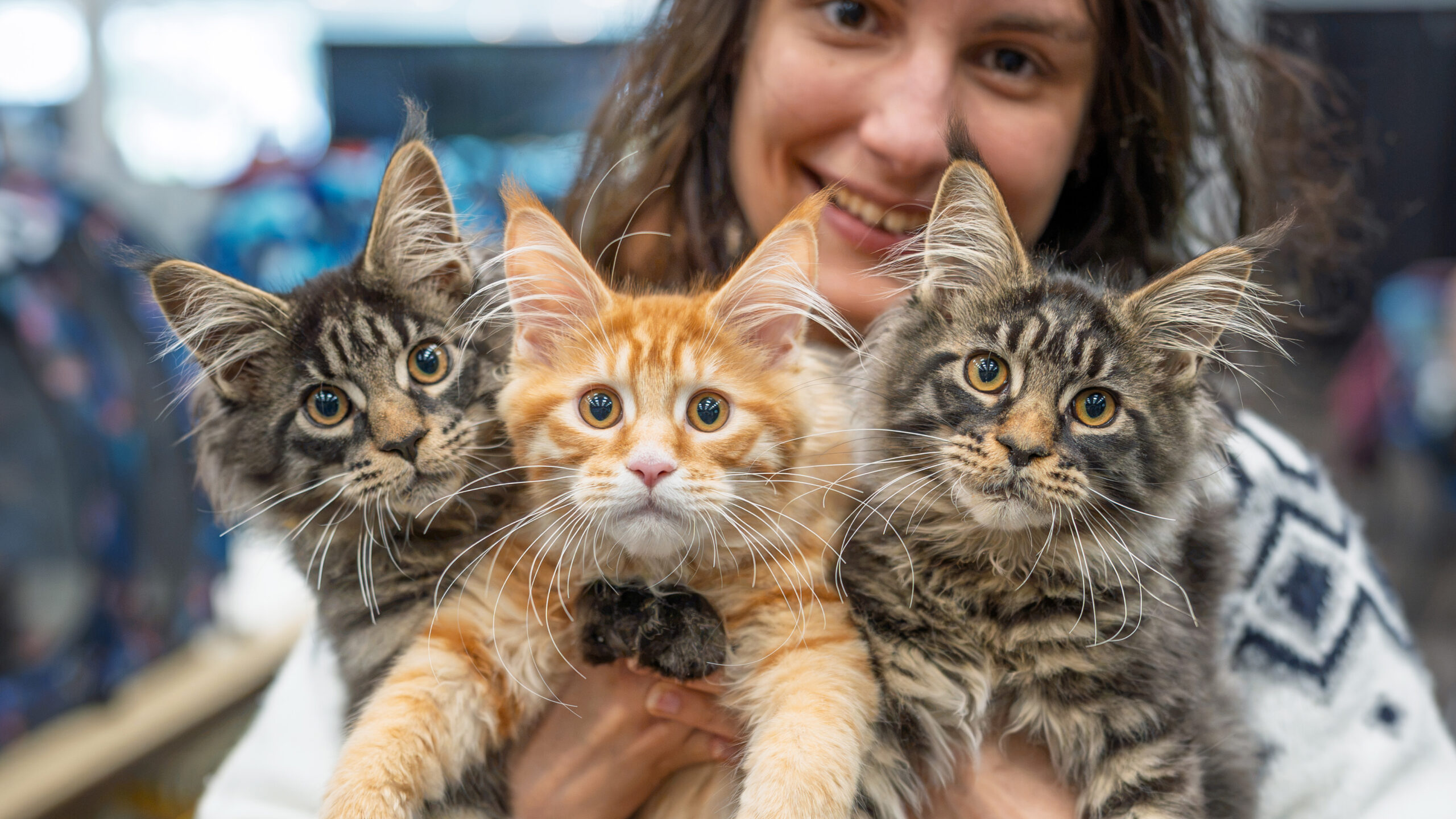
- Early kitten socialization: Handling kittens from an early age is imperative and time-consuming. Kittens must be exposed to normal household experiences, and monitoring their development closely ensures that they become confident, well-adjusted pets before moving to their forever homes.
- Proper nutrition: Feeding breeding cats and kittens diets that meet their nutritional needs during growth, pregnancy, and lactation. Many require breed-specific diets, and high-quality food is anything but inexpensive.
- Responsible placement: Screening prospective owners, educating them about the breed or individual kitten, and being willing to take back or help rehome cats if the placement doesn’t work out.
- Accurate records: Maintaining health records, pedigrees, breeding records, and documentation of genetic testing.
- Lifetime responsibility: Remaining available to buyers for advice and support throughout the cat’s life is not only bonding but very necessary.
A 24/7 Commitment
All of this costs money and takes an enormous amount of time out of any given day! Breeding cats is a 24/7 living, breathing hobby. Unlike many other hobbies, it cannot be put down when one is tired, has a headache, or has other plans.
When cats get sick, they need us.
When kittens are arriving, most breeders want to be there.
When something goes wrong, it is usually at 2 a.m., when others are sleeping peacefully and emergency veterinarians are hard to find.
Breeding cats is not a hobby for the faint of heart, nor is it always easy on the pocketbook.
Knowing When Not to Breed
Responsible breeding also means recognizing when not to breed a cat, and being willing to adjust a breeding program accordingly.
Any cat with a serious inherited disease, a poor temperament, or health problems must not be used for breeding, even if it meets the breed standard in appearance and was imported at great cost to the breeder.
The exact health tests and breeding recommendations vary by breed. For example, breeds such as the Maine Coon, Persian, Peterbald, and Cornish Rex each have different inherited conditions that responsible breeders commonly screen for before any breeding. This all costs money!
In general, the goal of responsible breeders is to produce healthy cats with great temperaments that can be placed in loving homes and provide years of companionship for their new owners.
What It Has Meant to Me
I have personally spent hours thinking about the best breeding pairs, and countless hours going through pedigrees and pictures of cats to import. I have spent days and nights at a vet clinic and, over 43 years of breeding, hundreds of thousands of dollars on health care and on travel to exhibit examples of my breed.
I have never set out to make money, and I am certain I have never made much of a profit. I have, however, produced many kittens that grew into fantastic show cats, made me very proud by doing well at shows, and, most importantly, provided love and comfort to their new owners.
This is the greatest satisfaction I have ever gotten from being a responsible breeder, and no amount of money can ever replace that feeling.
That is the meaning of responsible breeding, to me!

Author: Susanna Shon
Approved Allbreed TICA Judge, Cat Breeder, TICA longtime member
Don’t forget to follow us!